Curious about cassowaries?
Welcome to the fascinating world of cassowaries! Get ready to discover some truly amazing facts about these unique and captivating creatures. We're glad you're here to learn more about them.

Amazing cassowary facts
Cassowaries are truly remarkable birds. Did you know they are one of the most dangerous birds in the world? They are also the third tallest and second heaviest living birds, after the ostrich and emu. These flightless birds are native to the tropical rainforests of New Guinea and northeastern Australia.

Physical Characteristics
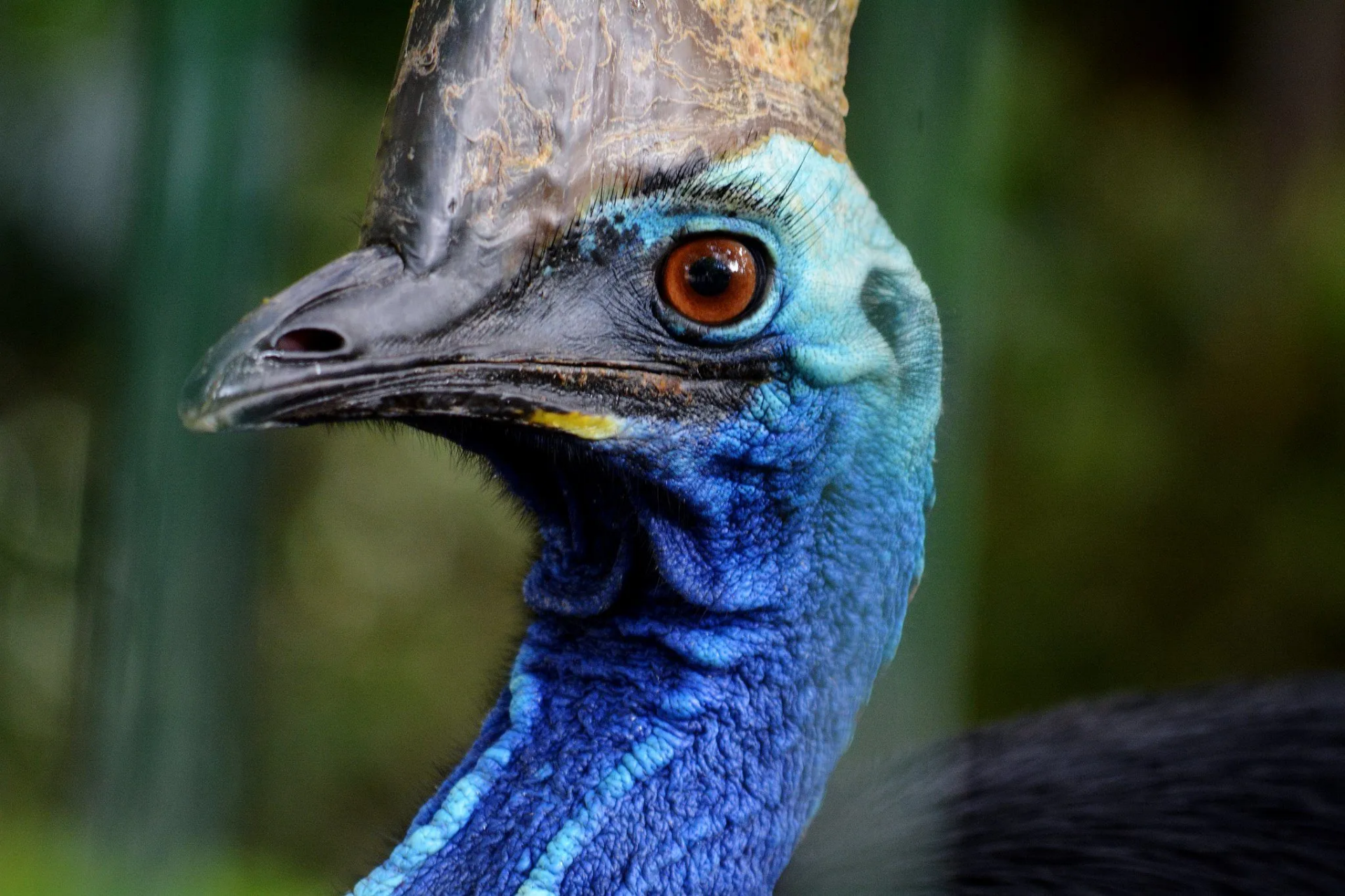
Cassowaries are among the heaviest and most powerful birds ion the world, standing up to 1.8 metres (6 feet) tall and weighing up to 60 kilograms (130 pounds). They have brightly coloured necks and heads, often displaying shades of blue and red, and a prominent casque (helmet-like structure) on top of their heads. Their legs are muscular and equipped with sharp claws, including a dagger-like inner toe claw that can exceed 12 centimetres (5 inches) in length, used for defence. Their bodies are covered in coarse black feathers, which provide protection as they move through dense undergrowth.
Habitat and distribution
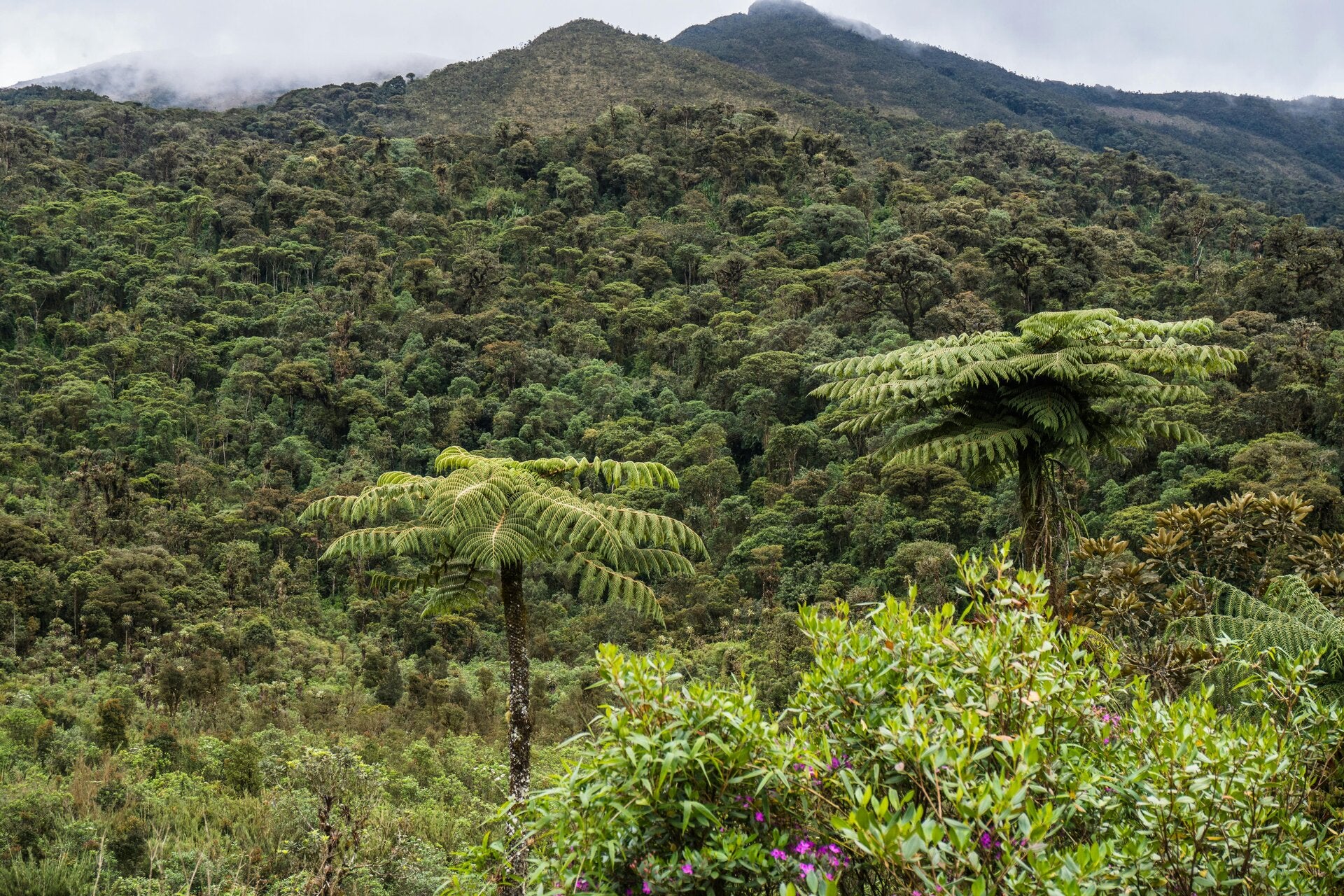
Cassowaries are native to the tropical rainforests of north-eastern Australia, particularly Queensland's Daintree and Cape York regions, as well as New Guinea and nearby islands like Aru Islands and the Torres Strait islands, with different species inhabiting slightly varied ranges: the Southern Cassowary is found in both north-eastern Australia and New Guinea, the Dwarf Cassowary is mainly found in New Guinea and highland areas, and the Northern Cassowary in parts of Northern Guinea, and they prefer dense, humid, fruit-rich environments including lowland and montane forests, swamp forests, mangroves, and secondary forests, usually solitary and shy on the ground where they play a vital ecological role by dispersing seeds.

Diet and hunting
Cassowaries are primarily frugivores, with 90-99% of their diet consists of a wide variety of rainforest fruits, which they often swallow whole, including species that are toxic to most other animals, and are capable of consuming fruits from over 240 different plant species such as figs, quandongs, and Davidson's plum, using their powerful legs to forage on the forest floor or jump several feet to reach low-hanging fruits; while fruits dominate their diet, cassowaries are opportunistic omnivores and will occasionally eat fungi insects, snails, small vertebrates like frogs, lizards, birds, and even carrion when fruit is scarce, demonstrating both foraging and predatory opportunism, and their specialized digestive system allows seeds to pass intact through their gut, effectively dispersing them across the rainforest, which not only supports forest regeneration but underscores the cassowary's role as a keystone species in maintaining ecological balance!

Create Your Own Website With Webador