
Majestic tigers
Welcome to our page dedicated entirely to tigers, the largest living cat species and one of the most recognisable animals on Earth. Here, we delve into the fascinating world of these striped predators, exploring their habitat, behaviour, and the unique characteristics that make them truly remarkable. Join us as we uncover the mysteries behind the tiger’s roar.

Physical Characteristics
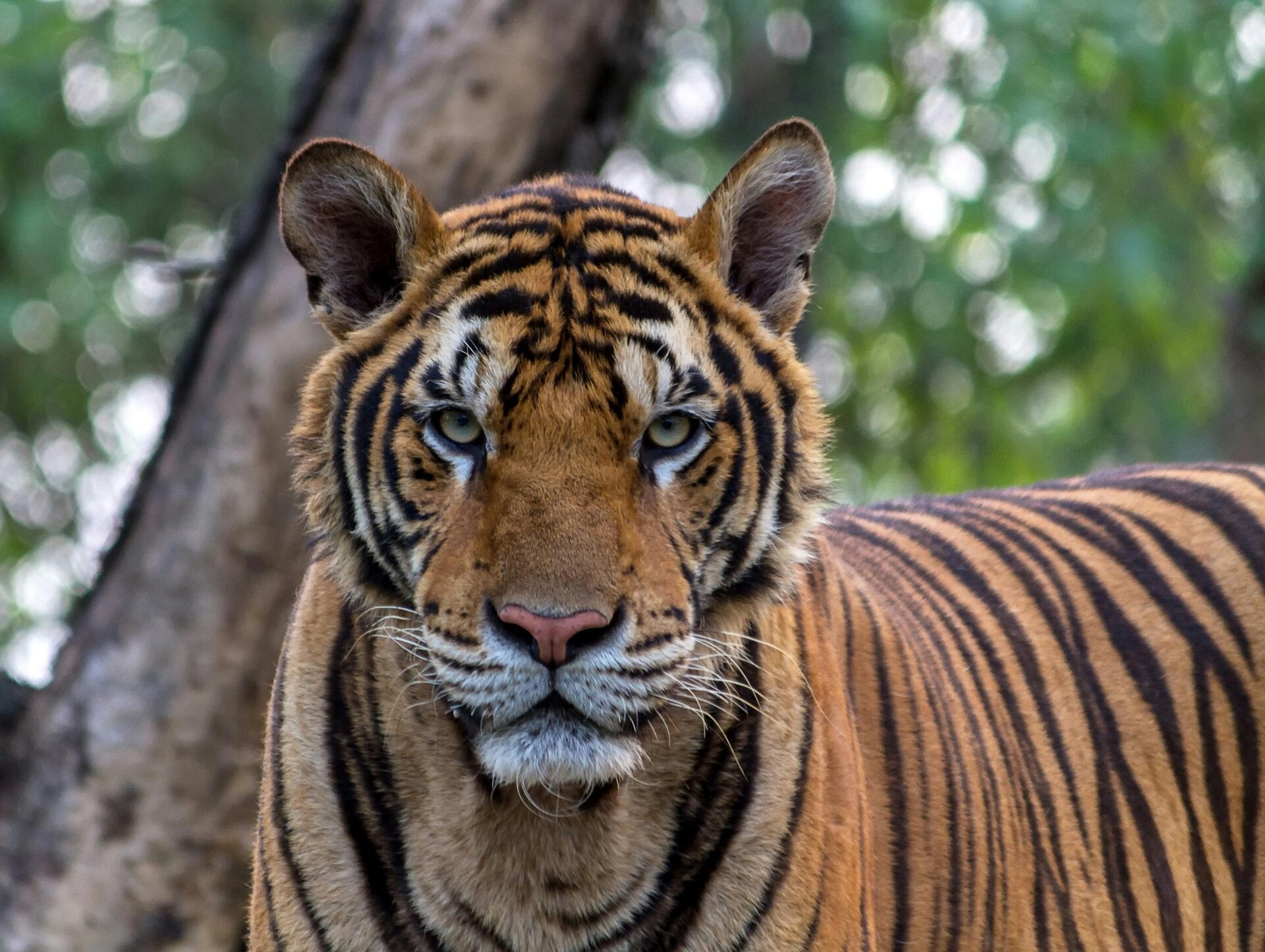
Tigers are recognized for their orange coat with black vertical stripes, although the pattern and density vary among subspecies. They have white underbellies and a muscular body adapted for strength and agility. Adult male tigers can weigh between 180 - 300 kg ( 400 - 660 lbs) depending on the subspecies, with females typically smaller. Their powerful legs, sharp claws, and strong jaws make them excellent hunters.
Classification and Species
Tigers belong to the species Panthera tigris and are part of the Felidae family. There are several subspecies, some of which are critically endangered:
- Bengal tiger (P. t. tigris) – Found mainly in India, with smaller populations in Bangladesh and Nepal.
- Indochinese tiger (P. t. corbetti) – Native to Southeast Asia.
- Malayan tiger (P. t. jacksoni) – Found in Peninsular Malaysia
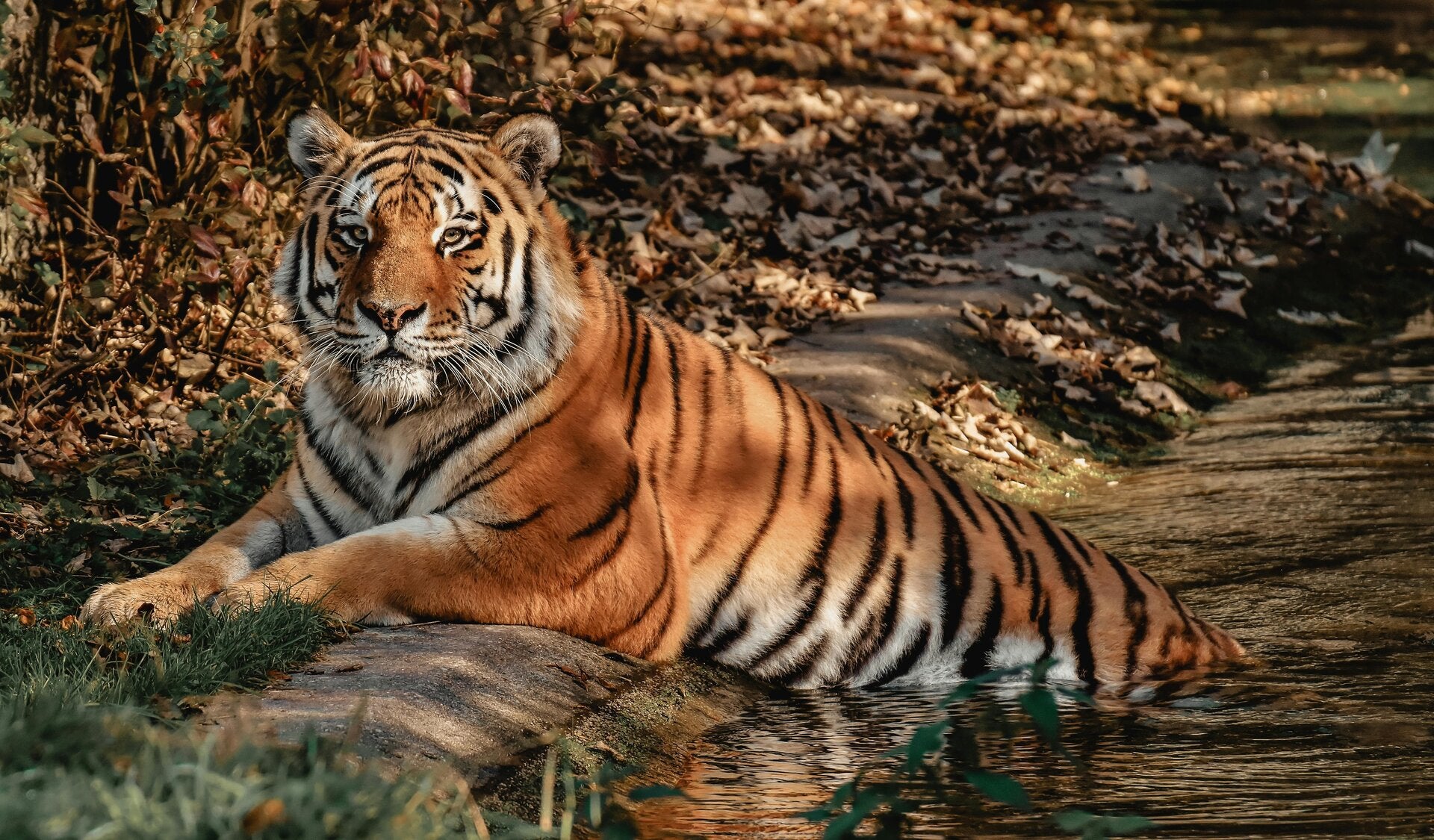
- Siberian (Amur) tiger (P. t. altaica) – Inhabits the Russian Far East, known for their large size and thick fur.
- South China tiger (P. t. amoyensis) – Critically endangered, possibly extinct in the wild.
- Sumatran tiger (P. t. sumatrae) – Confined to the Indonesian island of Sumatra.

Diet and Hunting Behaviour
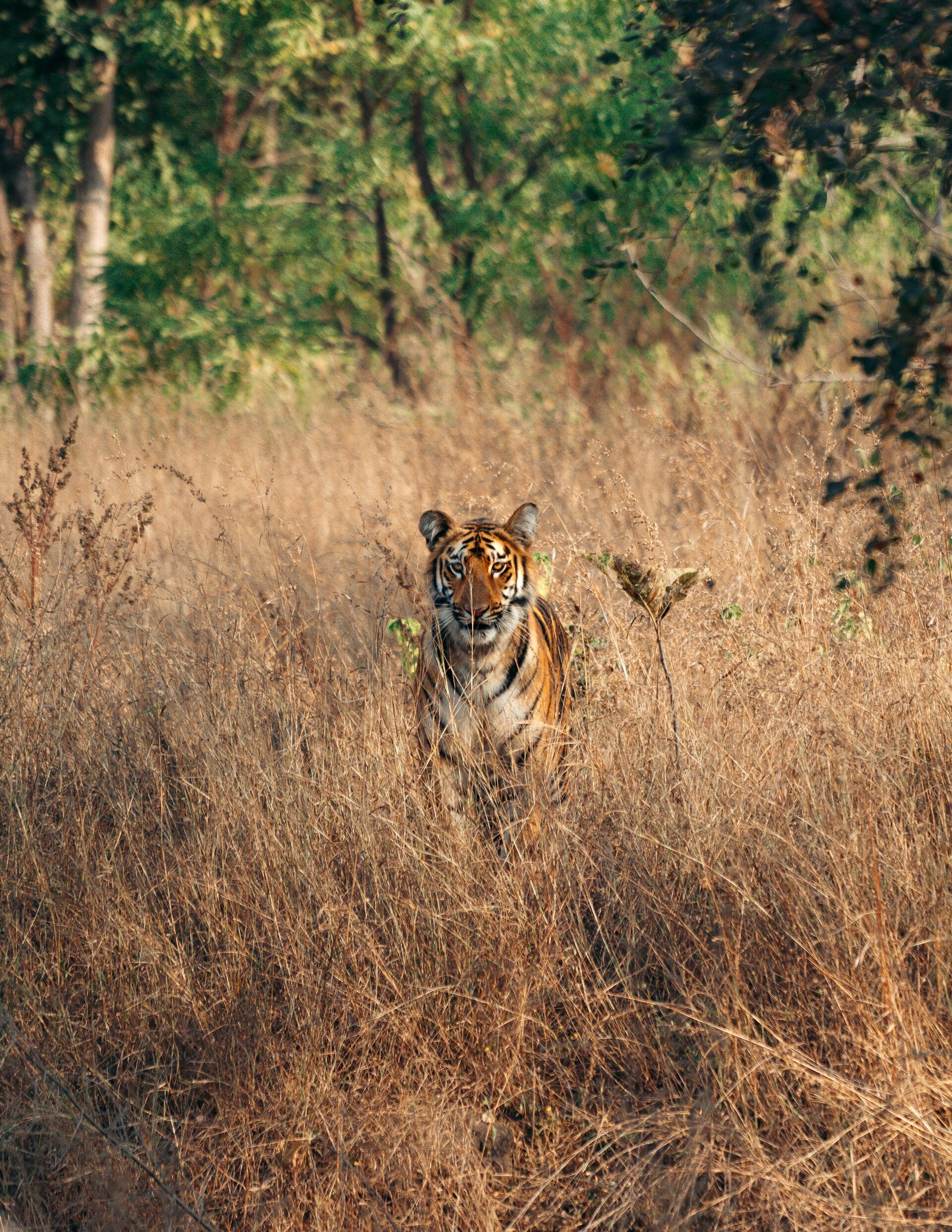
The tigers are carnivorous apex predators, which means that they cannot be hunted or be prey to another animal. Their diet mainly includes ungulates (hoofed animals) such as deer, wild boar, and buffalo, but they may also hunt smaller mammals or birds when necessary. Tigers are solitary hunters using stealth and camouflage, often ambushing prey rather than chasing it over long distances.

Reproduction and Lifespan
Tigers reach maturity at 3 - 4 years. Females give birth to 2 - 4 cubs after a gestation period of about 3 and a half months. Cubs stay with the mother for up to 2 years, learning hunting and survival skills. in the wild, tigers live around 10 - 15 years, whereas in captivity they may live 20 years or more.
Intriguing facts to come back to
Tigers are not only known for their striking appearance but also for their unique biological traits. Did you know that a tiger's stripes are as unique as human fingerprints? And remarkably, these stripes aren’t just on their fur; they're also part of their skin. Furthermore, while less common, albino tigers do exist, showcasing the genetic diversity within the species. Delve deeper to uncover more about their genetic makeup, hunting strategies, and social behaviours.
Explore more critters
If you enjoyed learning about tigers, why not explore other fascinating animals on our website? From the playful dolphins to the majestic lions and colourful parrots, there's a whole world of critter facts waiting to be discovered!

Unleash your inner artist
Ready to try drawing one yourself? Click the button below to find some tutorials for drawing tigers. These tutorials are suitable for all skill levels from beginner to expert and will guide you step by step. Whether you're looking to create a detailed portrait or a simple sketch, there's something for everyone. Get started and unleash your creativity!

Create Your Own Website With Webador